Start with the Monterey facade, deposits, and finish standard
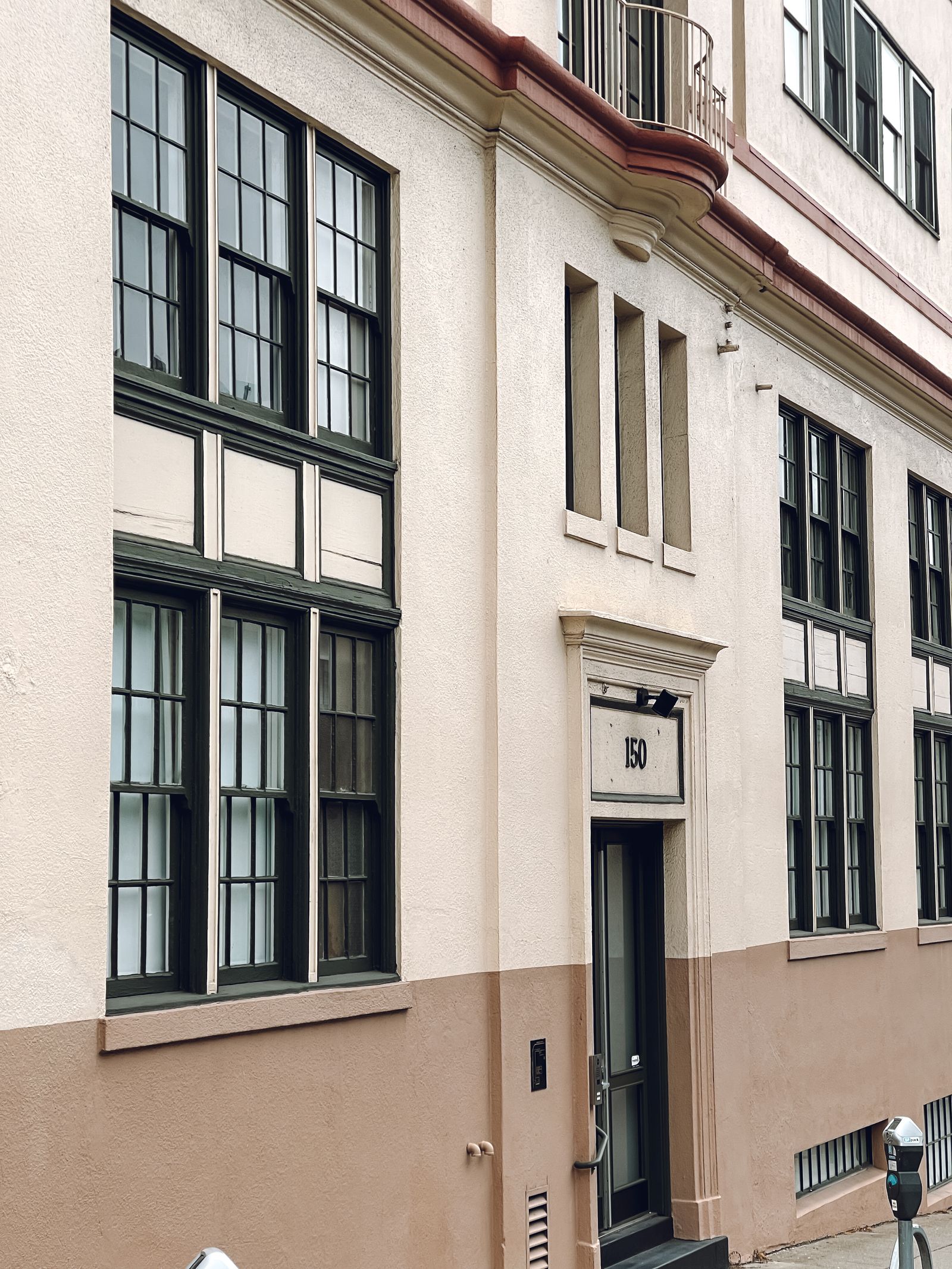
Monterey commercial properties commonly combine stucco, painted plaster, concrete, brick veneer, wood accents, metal panels, storefront glass, stone, tile, canopies, signs, and sealant joints. A historic-feeling downtown elevation may sit beside modern glazing. A coastal hotel may have balconies, railings, salt film, guest paths, restaurant seating, and delicate landscaping. A medical or educational building may have covered entrances, air intakes, patient routes, and strict expectations for returning the area clean and open. The right treatment depends on the surface and the soil, not on a single pressure number.
Soft washing may be appropriate for compatible organic growth, atmospheric film, algae, pollen, bird residue, and loose coastal soil after inspection and a controlled test. It will not repair cracked stucco, failed paint, corrosion, chalking, hard-water scale, efflorescence, failed sealant, leaking roof edges, or damaged stone. A dark streak may be caused by a clogged gutter, balcony drainage, irrigation, a roof detail, or salt-laden moisture. The scope should separate a cleanable deposit from a source condition and describe the expected appearance after the wall dries.
- Map stucco, masonry, concrete, paint, metal, glass, stone, wood, and sealants by elevation.
- Separate salt film, algae, bird residue, pollen, traffic soil, minerals, oxidation, and damage.
- Define whether the goal is a guest-ready reset, tenant presentation, inspection, or recurring care.
- List glass detailing, repairs, restoration, and coating work separately from routine washing.
Schedule around Cannery Row, downtown, and visitor traffic
Cannery Row, the Monterey waterfront, Old Monterey, and the streets around Fisherman's Wharf can place pedestrians, hotel arrivals, restaurant seating, tour groups, deliveries, and public parking immediately beside the work zone. A property may look quiet during one part of the day and become highly active when guests arrive, events begin, or tour buses move through. The quote should identify the preferred working window, entrance handback standard, pedestrian route, hose path, spotter position, and the person authorized to pause the work when conditions change.
Along Fremont Street, Munras Avenue, Lighthouse Avenue, and Del Monte Avenue, retail, hospitality, healthcare, education, office, and service properties share drive aisles, accessible routes, tenant doors, and landscaped setbacks. Pacific Grove and Carmel-adjacent properties may add narrow streets, mature planting, historic details, or limited staging. A campus or school may need work outside arrival, dismissal, athletic, or class-transition periods. Medical sites need patient drop-offs and emergency access preserved. Phasing one elevation at a time can keep the property functioning, but the handback sequence should be written into the scope.
Before scheduling, confirm water access, staging, parking, security, guest routes, HVAC intakes, balconies, roof drains, low points, neighboring parcels, public sidewalks, and irrigation. Hospitality teams may need housekeeping, event, and front-desk coordination. A food-service or healthcare operation may require a review before water or cleaning solution is used near doors, air intakes, food areas, or patient routes. Local planning is part of the cleaning service because a technically suitable method can still be disruptive if the operation is not protected.
Plan for fog, salt, humidity, and Monterey rain
Marine air can leave a thin salt and moisture film that attracts additional dust and makes a facade look dull even when the underlying material is sound. Fog keeps surfaces damp, while shaded north-facing walls may dry more slowly than a sunny elevation. Humidity can extend drying time and make it harder to judge uniformity until the facade has been observed in dry light. Salt exposure can also accelerate corrosion on exposed fasteners, railings, signs, rooftop equipment, and unprotected metal. Washing may remove surface residue, but it should not be represented as corrosion repair or a guarantee against future salt exposure.
Winter rain can change traction, runoff, visibility, access, and the timing of a closeout inspection. A wall that looks uniform while wet may reveal remaining deposits after drying. Wind can move mist toward guests, vehicles, neighboring parcels, or open doors. A responsible schedule has hold points for wind, rain, fog density, lightning, visibility, and surface temperature rather than promising a fixed production rate on every coastal day. The crew should be able to pause, protect the work, and reschedule a zone when the planned controls no longer work.
Record where algae, bird activity, splashback, roof drainage, irrigation, or shaded moisture causes repeat soiling. A downspout that discharges across a wall or a failed balcony drain can recreate the same streak after cleaning. Closeout photos and notes help the facilities team decide whether to adjust drainage, repair a joint, change landscaping, or schedule a targeted maintenance visit instead of repeatedly treating the symptom.
Use aerial assistance only when the site and weather support it
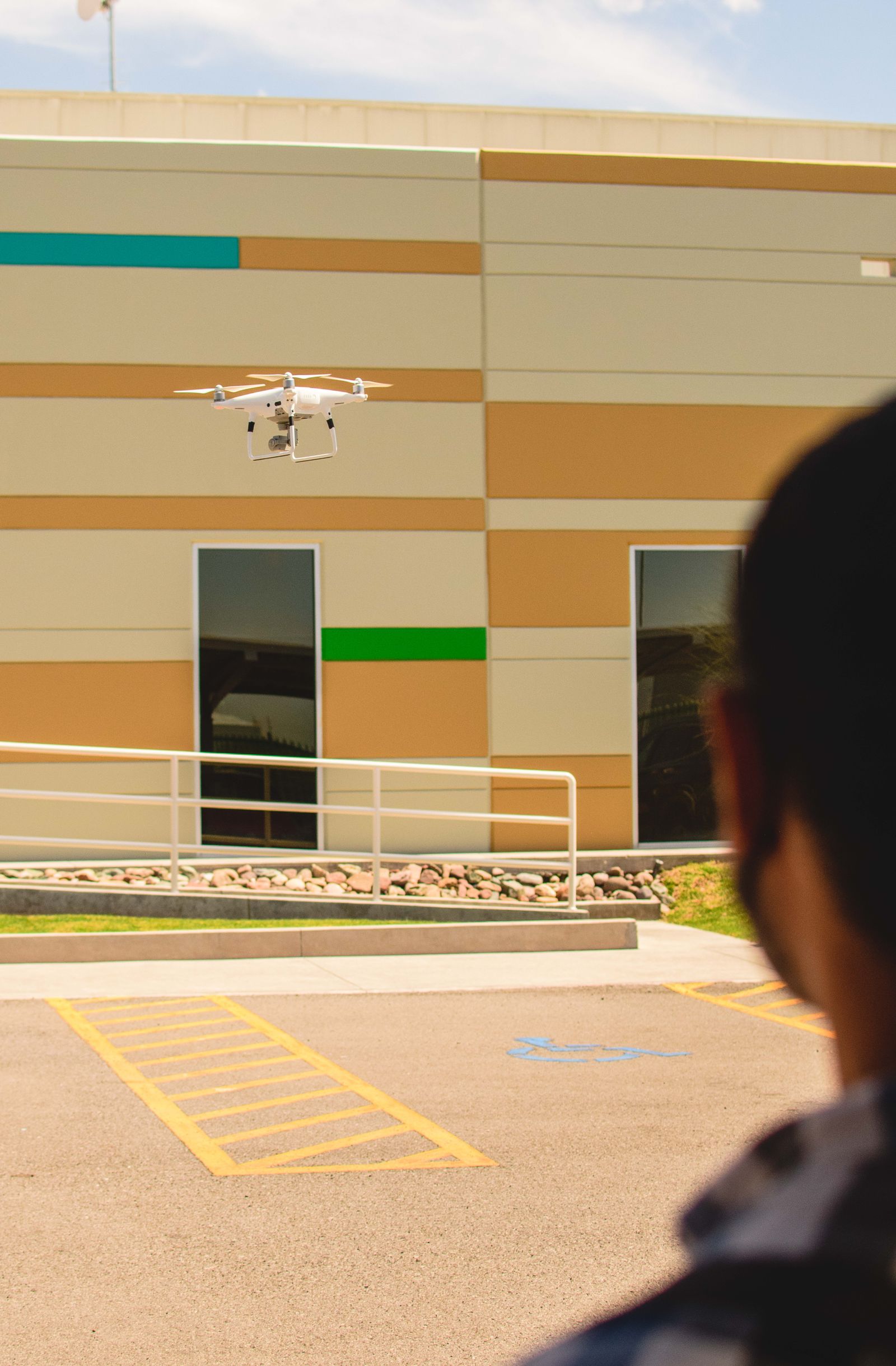
Drone-assisted application or rinsing can support a broad, compatible upper elevation when there is sufficient stand-off distance, clear visual control, a secure launch and recovery area, manageable wind, water access, and a protected ground boundary. This may reduce some lift repositioning for a hotel, office, school, medical building, parking structure, or broad commercial facade. It does not create a contact finish. Upper glass that needs a squeegee, bonded bird residue, recessed trim, fragile historic details, scraping, repairs, or close inspection still needs an appropriate grounded or elevated method.
Monterey Regional Airport, the coast, power lines, trees, cranes, rooftop equipment, balconies, narrow streets, public paths, and nearby occupied properties should be reviewed before aerial support is proposed. Commercial small-UAS operations must follow current Federal Aviation Administration requirements and any applicable airspace, certification, registration, visual-control, and operations-near-people rules. Property permission does not resolve aviation requirements. A proposal should identify the aerial zone, ground exclusion area, spotter position, weather limits, and grounded backup plan.
The best plan follows the required finish. A drone may wet or rinse a broad upper wall while a ground team protects doors, monitors pedestrians, manages runoff, and completes entrance or detail work by another method. It cannot squeegee glazing, repair a joint, remove every bonded deposit, or diagnose an envelope failure. We will explain what aerial support can and cannot do before a Monterey owner approves the scope.
Protect coastal drainage, landscaping, and public access
Before washing, trace roof drains, balcony scuppers, downspouts, curb inlets, trench drains, parking slopes, planted beds, irrigation heads, doors, air intakes, electrical equipment, vehicles, neighboring parcels, and public sidewalks. A Monterey property may direct water toward a street inlet, a narrow side yard, a landscaped area, or a low point near a guest entrance. A visible grate is not automatic permission to discharge wash water, and a planted area is not an approved disposal location by default. Water direction should be observed before product or rinse water is applied.
The proposal should state the water source, application and rinse assumptions, product and soil considerations, expected flow, protection or recovery, and the stop condition if runoff travels differently than planned. Depending on the property, controls may include dry cleanup, reduced flow, inlet protection, temporary diversion, monitored recovery, filtration, or an approved disposal arrangement. Product labeling alone does not establish that discharge is acceptable at a specific coastal site. Hotels, restaurants, schools, healthcare facilities, and public-facing properties deserve clear controls before work begins.
Protect guest and patient routes, outdoor dining, landscaping, vehicles, signs, open doors, HVAC intakes, neighboring properties, and accessible travel. Closeout should include dry-condition photos, completed zones, controls removed, access returned to service, and remaining deposits or source conditions noted. That record makes the next maintenance decision more useful and helps the property team address the roof, drainage, irrigation, or corrosion condition that may be causing the repeat mark.
- Trace each work zone to its actual low point before applying solution or rinse water.
- Confirm water access, protection, recovery, and disposal assumptions in writing.
- Coordinate guests, patients, students, dining, landscaping, balconies, vehicles, and air intakes.
- Stop when fog, wind, rain, visibility, traffic, occupancy, or runoff makes the plan uncontrolled.
Match the service to Monterey's property and business goal
A one-time project may support a hotel opening, event, inspection, ownership visit, lease tour, tenant turnover, restaurant refresh, school calendar, healthcare presentation, or renovation handoff. Prioritize the entrance, canopy, sign band, guest-facing wall, parking approach, and elevations most visible to visitors or prospective tenants. A phased first visit can address the public-facing areas before an owner commits to lower-priority service elevations or a broader maintenance plan.
Recurring care may make sense where fog, salt, algae, bird activity, pollen, traffic, shade, restaurant exhaust, or hospitality standards create predictable resoiling. The interval should come from observed condition, previous results, weather, access, budget, and the operating calendar. A hotel might separate entrance and canopy work from upper facade rinsing, glass detail, loading areas, or service corridors. A school or medical office may need a different window and handback standard. The property record should support the frequency rather than applying an automatic schedule to every Monterey building.
Send the property address, photos, building type, approximate height, priority elevations, visible deposits, operating hours, water access, drains, landscaping, parking restrictions, air-intake locations, and desired finish. Call +1 239-351-2897 or email contact@dronebuildingcleaners.com to get a quote. We will compare the suitable methods, identify controls and exclusions, and build a practical next step around the people and operation at the site.